

Maintenance Tips for Your New Pvc Fence
West Georgia Fence • August 3, 2018
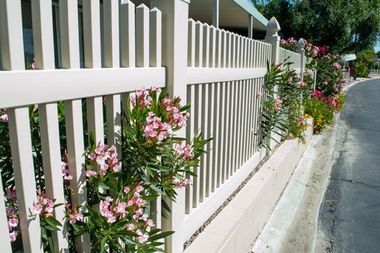
A fence is a great investment. Not only will it add privacy and security to your home, but it can also increase your home's overall appeal and value. Of course, certain fencing materials are more beneficial than others.
While it is a great deal more durable and easier to maintain than wood, PVC(polyvinyl chloride) fencing still requires cleaning and maintenance to maintain its function and appeal. Here are a few tips to help you clean and maintain your new PVC fence.
Routine Clean
No matter how durable the PVC material is, your fence will get dirty over time. Grass clippings, dirt, mulch, pine straw, pollution, and various types of weather will affect the look of your PVC fence.
Thankfully, cleaning off slight dirt, dust, and discoloration does not require a lot of effort. In most cases, using your garden hose to rinse off the fence periodically will be sufficient.
A heavier accumulation of dirt, dust, or mud may require a more powerful cleaner. Use a cloth or non-abrasive sponge and a solution of laundry detergent and water to wash your fence. Then, rinse off any remaining dirt and soapy residue using your garden hose.
A solution containing water and baking soda can also be used to scrub away stubborn stains on your PVC fence.
Mold/Algae Removal
If you notice patches of green, brown, or black growth on the fence, you may have mold or algae growing. Removing this growth is imperative, since it will continue to grow, weakening the structural integrity of your new fence.
Bleach diluted in water is a common solution, since it is capable of killing mold and algae quickly. However, bleach can be too harsh to use on a fence that is surrounded by landscaping. To protect your lawn, flowers, trees, and shrubs, consider a natural solution containing vinegar and water.
Combine equal parts of white vinegar with water in a spray bottle and douse the solution onto patches of mold or algae. Recent studies have shown white vinegar is capable of killing 82 percent of mold spores, so it is a great option for removing mold and algae from your fence without harming your landscaping.
Miscellaneous Maintenance
Your PVC fence will stand the test of time, but that does not mean it will not change over the years.
PVC can expand and contract in different types of weather, so you may notice some changes as the temperatures fluctuate. For example, PVC can become a bit brittle in extremely cold weather. This will make your fence more susceptible to damage.
During the winter season, make sure to protect the fence from snow, ice, and tree branches that may fall. Shovel snow off the fence as soon as possible and trim any trees that are hanging over your fence.
As the PVC expands and contracts over time, check the gate to ensure it lines up with the rest of the fence. You may need to adjust the gate hinges at some point in time.
If any sections of your fence feel wobbly due to the freezing/thawing of the ground, backfill the posthole with gravel, soil, and concrete to make it more secure. Or contact your contractor for help reestablishing posts.
PVC does not rust, but the metal connectors used to install the fence panels are susceptible to rust and corrosion over time. Inspect the connections periodically for signs of distress. If they appear rusty or are loose, consider replacing them.
Finally, use caution when mowing your lawn and landscaping near your fence. Mowing too close to the fence is risky, so most people use a weed eater to cut grass around their fence. This is also not recommended, since the string and blades of a weed eater can damage the PVC material.
For the safest removal of grass around your fence, consider installing post guards and using extreme caution when weed eating around the fence. Removing all vegetation from the ground where your fence is located is also an option.
For help with your fencing project, whether it be the initial installation, maintenance, or repairs, contact West Georgia Fence today.
The Best Fence for Your Atlanta-Area Home This Summer (2026 Guide) Summer is the most popular time of year for fence installation in the Greater Carrollton and Atlanta Metro area — and for good reason. Long days, dry ground, and the urge to actually use your backyard all push homeowners to finally pull the trigger on that fence project they've been putting off. But with so many material options, choosing the right fence can feel overwhelming. This guide answers the questions we hear most often this time of year so you can make a confident decision before the summer slips away. What Is the Best Type of Fence for Georgia's Summer Heat? Georgia summers are no joke — heat, humidity, and afternoon thunderstorms put real stress on fencing materials. Here's how each major type holds up: Wood Fence — Classic and cost-effective, but wood requires the most summer maintenance. Heat and humidity cause wood to expand, contract, and potentially warp or crack over time. Annual sealing or staining is strongly recommended for Georgia homeowners. PVC (Vinyl) Fence — PVC is one of the best performers in hot, humid climates. It doesn't rot, splinter, or absorb moisture, and it won't need painting or staining. If low maintenance is your priority, PVC is a top choice for Georgia summers. Ornamental (Iron/Aluminum) Fence — Ornamental fencing is extremely durable in heat and storm conditions. The open design actually works in its favor during summer — it doesn't catch wind during storms the way solid panels can. A quality powder-coat finish resists rust and UV fading. Chain Link Fence — The most weather-resistant option by far. Metal construction means no warping, cracking, or swelling regardless of temperature swings. Chain link is a practical, budget-friendly option for large properties, pet containment, and commercial use. Should I Install a Fence in Summer or Wait Until Fall? Most homeowners assume fall is better for fence installation, but summer is actually an excellent time — here's why: Ground conditions in Georgia are typically firm and dry in summer, making post-setting easier and more precise. Scheduling availability tends to open up faster than in the spring rush. You get to enjoy it sooner. Installing in June or July means your yard is fenced and functional for backyard gatherings all season long. The one caveat: if you're installing a wood fence, avoid scheduling during an extended stretch of heavy rain. Saturated soil can shift newly set posts before the concrete fully cures. How Do I Know If I Need a Permit to Install a Fence in Carroll County or the Atlanta Area? Permit requirements vary by city and county, but here's what's typical in the West Georgia region: Most residential fences under 6 feet do not require a permit in Carroll County, but you should always verify with your local zoning office before breaking ground. HOA rules are separate from permit requirements — check with your homeowners association about height limits, material restrictions, and approved colors. Corner lots and properties near easements often have additional setback rules. West Georgia Fence has been serving the Greater Carrollton and Atlanta Metro area for over 50 years. Our team is familiar with local requirements and can help guide you through the process before your project starts. How Much Does Fence Installation Cost in the Atlanta Metro Area? Fence cost varies based on material, linear footage, terrain, and gate placement. Here are general ranges for the West Georgia and Atlanta area in 2026: Fence Type Approximate Cost Per Linear Foot (Installed) Chain Link $15 – $30 Wood (Privacy) $25 – $45 PVC / Vinyl $30 – $55 Ornamental Aluminum $30 – $60 Commercial Fencing Varies — contact for quote These figures are estimates. Sloped terrain, rock soil, removal of an old fence, and gate hardware all affect the final price. West Georgia Fence offers free custom quotes — call 770-832-3363 to get an accurate number for your specific property. Financing is also available with approved credit, so cost doesn't have to be a barrier to getting started this summer. What's the Best Fence for Privacy in a Georgia Backyard? For maximum backyard privacy, you'll want a solid panel fence with minimal gaps. The top choices: Wood Privacy Fence — The most traditional option. A 6-foot board-on-board or shadowbox wood fence provides excellent privacy and a natural look that blends into most Georgia landscaping. PVC Privacy Fence — Offers the same solid panel privacy as wood but with virtually zero maintenance. No painting, no staining, no warping. Many homeowners in the Atlanta area are switching from wood to PVC for exactly this reason. Ornamental with Privacy Slats — If you love the look of ornamental fencing but want more privacy, metal slats or inserts can be added to chain link or ornamental panels for a hybrid solution. 5 Signs Your Existing Fence Needs Repair Before Summer Gatherings Don't let a damaged fence ruin your summer entertaining plans. Watch for these red flags: Leaning or tilting posts — A leaning post is usually a sign of rotted wood or a shifting concrete footing. It won't fix itself. Boards with cracks, gaps, or rot — Cosmetic issues become structural ones when left through another Georgia summer. Rust stains or peeling paint on metal fencing — Surface rust spreads. Catching it early with touch-up paint or powder coat prevents full panel replacement. Gates that drag, stick, or won't latch — Gate hardware loosens over time, especially on heavy ornamental gates. Visible gaps at the base — If pets or small children could slip under, it's time to address the grade or add a bottom rail. West Georgia Fence handles repairs as well as new installations. If you're not sure whether your existing fence can be saved, we're happy to take a look. Why Choose a Local, Family-Owned Fence Company? With so many national chains advertising online, it can be tempting to go with the lowest bid from an out-of-area company. Here's why local matters: A company based in Carroll County knows the soil conditions, the local permit landscape, and what fence styles actually hold up in West Georgia's climate. West Georgia Fence has been family-owned and operated for over 50 years , holds an A+ rating with the Better Business Bureau , and is fully licensed and insured. We've installed fences on everything from rural properties to government buildings to Atlanta-area apartment complexes — and we stand behind every job with a warranty. When you call us, you're talking to neighbors who care about the work they put their name on. Ready to Get a Free Quote? Whether you need a brand-new fence installed before your next backyard cookout or you're dealing with storm damage from the last Georgia thunderstorm, West Georgia Fence is ready to help. Ready to Get a Free Quote? Whether you need a brand-new fence installed before your next backyard cookout or you're dealing with storm damage from the last Georgia thunderstorm, West Georgia Fence is ready to help. 📞 Call us at 770-832-3363 📍 Serving Carrollton, Atlanta Metro, and surrounding West Georgia communities 🕐 Monday–Friday, 8:00 AM – 4:30 PM
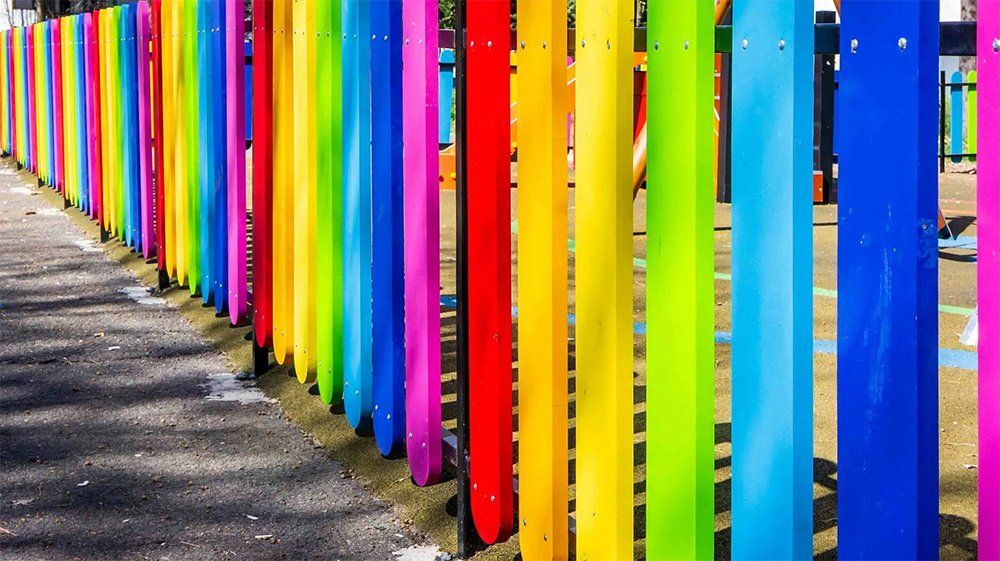
If you run a home daycare, you likely have an outdoor space where children play. Keep them safe with a well-designed fence using these tips.
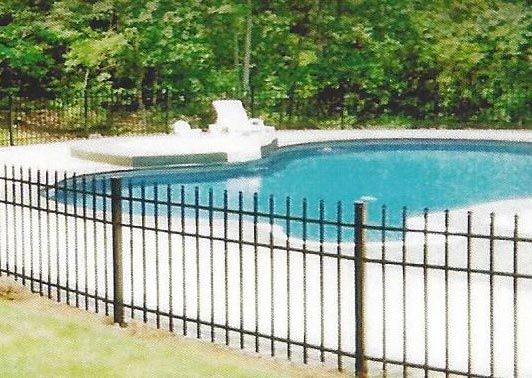
If you have a pool and want to better protect yourself, kids, and anyone else who visits, check out these three tips for better pool safety.





